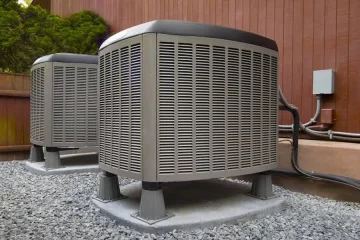
HVAC Replacement Cost Is More Than Equipment
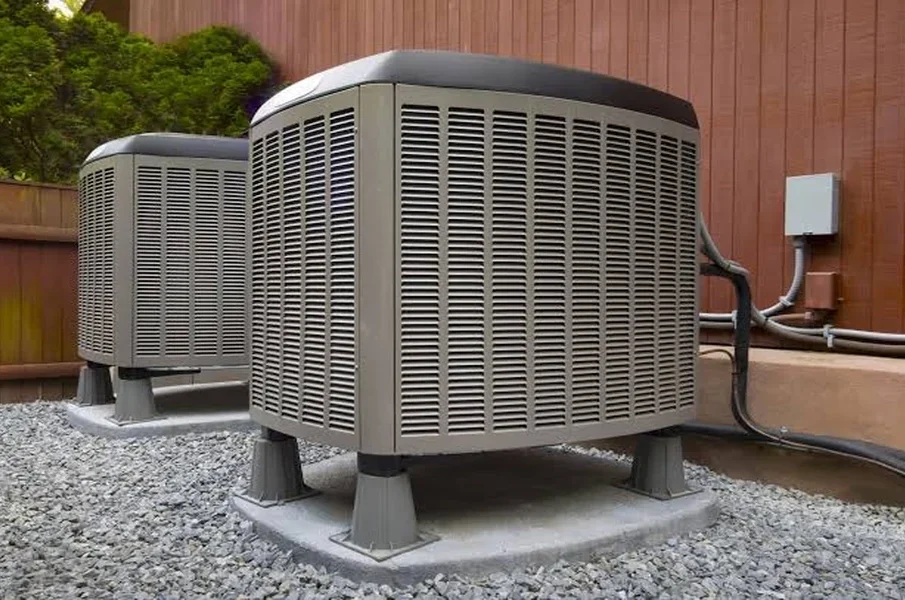
A full residential HVAC replacement is priced as a complete system project, not as a single appliance purchase. The total may include the outdoor condenser or heat pump, furnace or air handler, indoor coil, labor, duct corrections, electrical changes, refrigerant work, controls, permits, testing, and commissioning. In Roseville and the surrounding Placer and Sacramento County area, hot summers make proper sizing and airflow especially important. California’s energy rules can also require verification work that affects the overall scope.
Homeowners comparing complete system replacement through All 1 Mechanical can evaluate conventional AC and furnace combinations, heat pumps, ductless systems, heating equipment, and related indoor air quality work. The company serves Placer and Sacramento Counties from Roseville, including Rocklin, Lincoln, Citrus Heights, Folsom, Granite Bay, Auburn, Sacramento, Antelope, and nearby communities. Looking at heating, cooling, ducts, and controls together can help define the full project before equipment is selected.
Equipment Sets the Baseline
Main components: A conventional split system usually includes an outdoor condenser, evaporator coil, and furnace. A heat pump system may pair the outdoor unit with an air handler or compatible indoor equipment.
Capacity: Larger equipment generally carries a higher price, but oversizing can create short cycling, uneven comfort, and poor humidity control. Sizing should match the home’s actual heating and cooling requirements.
Efficiency: Single-stage units are typically simpler and less expensive than two-stage or variable-capacity equipment. Higher-efficiency systems may provide better comfort and part-load performance, but they also involve more advanced components and controls.
| Replacement area | What it includes | What changes the scope |
|---|---|---|
| Main equipment | AC, heat pump, furnace, coil or air handler | Capacity and efficiency |
| Installation | Removal, setup, connections | Access and system layout |
| Ductwork | Testing, sealing, repair | Leakage and sizing |
| Electrical | Breakers, wiring, disconnects | Equipment demand |
| Refrigerant | Lines, evacuation, charging | Line condition and routing |
| Controls | Thermostat and zoning | System complexity |
| Compliance | Permit and verification | Local and state requirements |
Installation Difficulty Changes the Labor Scope
Removal: Existing equipment must be disconnected, recovered, removed, and disposed of properly.
Placement: A ground-level condenser and accessible furnace are easier to replace than equipment located in a tight attic, rooftop area, or confined mechanical space.
Commissioning: After installation, airflow, refrigerant charge, controls, electrical operation, drainage, and safety functions must be checked.
Roseville’s HVAC permitting process distinguishes routine replacement work from more complex installations. The city’s online building permit process includes residential HVAC and duct equipment changeouts among regulated permit types.
Existing Ductwork Can Expand the Project
Reusable ducts: Existing ducts may remain if they are appropriately sized, sealed, insulated, and in good condition.
Leaky ducts: Significant leakage can reduce delivered airflow and undermine the performance of new equipment.
Undersized ducts: A new system connected to restrictive ductwork may experience high static pressure, noise, reduced efficiency, and premature wear.
California’s energy standards make duct performance an important part of replacement work. The California Energy Commission states that replacing major HVAC components can trigger duct sealing and field-verification requirements. Its 2025 residential HVAC guidance outlines those alteration rules.
This is why two otherwise similar replacement proposals may differ if one includes duct correction and the other assumes the existing system is acceptable.
Heat Pump Conversion Changes More Than the Outdoor Unit
Like-for-like replacement: Replacing an existing AC and furnace with similar equipment may allow more of the existing infrastructure to stay in place.
Heat-pump conversion: Switching to a heat pump can affect electrical demand, thermostat configuration, indoor equipment, condensate routing, and auxiliary heat requirements.
Electrical capacity: Some homes may need breaker, conductor, disconnect, or panel-related changes before a new heat pump can be installed.
Heat pumps provide both heating and cooling, so their project scope should be compared with the combined heating and cooling system they replace rather than with an air conditioner alone.
Refrigerant Lines Can Be Reused or Replaced
Existing line set: Copper refrigerant lines may be reused when their size, condition, routing, and manufacturer compatibility are suitable.
New line set: Replacement may be preferable when the existing lines are damaged, contaminated, incorrectly sized, or incompatible with the new equipment.
Difficult routing: Lines running through walls, attics, finished spaces, or multiple floors make replacement more involved.
Modern systems also require proper evacuation, leak testing, and refrigerant charging before commissioning. These steps are central to reliable operation, even though they are not visually obvious once the work is finished.
Electrical Work Depends on the Existing Home
Simple changeout: Some systems can use existing electrical infrastructure with only minor updates around the equipment.
Higher-demand equipment: Heat pumps, larger systems, or new accessories may require new wiring, breakers, disconnects, or other electrical modifications.
Panel limitations: Older homes may have limited service capacity or crowded panels that need attention before major electrification projects move forward.
This is one of the areas where an estimate can change significantly from one property to another even when the HVAC equipment is similar.
Controls Can Be Basic or Advanced
Standard thermostat: Conventional systems may need only a compatible thermostat.
Communicating controls: Variable-capacity equipment may use proprietary controls to coordinate fan speed, compressor output, and staging.
Zoning: Multiple thermostats, dampers, sensors, and control boards add another layer to the system.
The control package should match the equipment rather than being chosen independently. Advanced equipment paired with an incompatible thermostat may not deliver its intended performance.
Permits and Verification Are Part of the Installation
Permit: HVAC replacement in Roseville is regulated work and generally requires the appropriate permit process.
The city’s building permit guidance explains that permits are required for regulated alterations and repairs and that starting work without them can lead to additional fees.
Verification: California energy rules may require third-party testing for duct leakage, airflow, refrigerant charge, or related measures depending on the project.
These steps confirm that the installed system meets required performance and compliance standards rather than simply turning on successfully.
Optional Upgrades Should Stay Separate
Filtration: Larger media filters or upgraded filtration may improve particle capture when the system is designed for the added resistance.
Indoor air quality: Additional equipment can be added depending on the homeowner’s goals.
Drainage: Condensate pumps, pans, switches, or drain corrections may be required if the existing setup is inadequate.
Separating these options from the core replacement scope makes estimates easier to compare.
A full HVAC replacement is therefore best evaluated as a complete system project. The major equipment matters, but so do duct condition, installation access, electrical requirements, refrigerant lines, controls, permits, and required verification.
For Roseville-area homeowners, a clear estimate should identify what is being replaced, what remains, what testing is included, and what additional work may be triggered by existing conditions. That makes competing proposals much easier to compare without getting distracted by equipment price alone.



-
HVAC Replacement Cost Is More Than Equipment
A full residential HVAC replacement is priced as a complete system project, ... -
-
-
-