
The Impact of Tile Size and Texture on Modern Flooring Designs
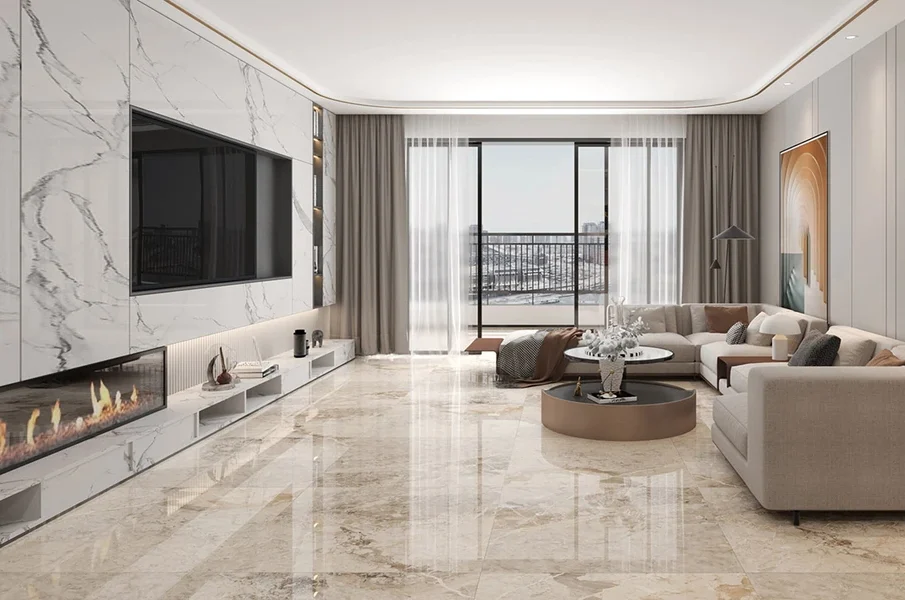
A shift is underway in flooring design, driven by the resurgence of bold tile formats and innovative textures that do far more than cover a surface. Today’s designers obsess over tile size and texture because these two factors alone can change the perceived dimensions, ambiance, and even the practicality of a room. But how exactly do they make such an impact?
How Does Tile Size Influence the Aesthetics of Modern Flooring?
What Visual Effects Do Large Tiles Create Compared to Small Tiles?
Large-format tiles create a feeling of spaciousness, especially in open-plan living areas. Their minimal grout lines offer a seamless look, making floors appear continuous and uncluttered. In contrast, smaller tiles introduce busyness and rhythm, drawing the eye in and emphasizing geometric patterns. This makes them a favorite for intricate bathrooms or vibrant kitchen backsplashes where detail is celebrated.
How Does Tile Size Affect Perceived Room Dimensions?
Tile size can play visual tricks. A 32″ x 64″ tile can make a compact condo living room feel more like an art gallery than a box, while 4″ x 12″ subway tiles can add precise definition to entryways. As a rule, larger tiles expand a room’s perceived footprint, while smaller ones can cozy up a space or highlight architectural features like alcoves and nooks.
Are There Practical Limitations to Tile Size in Different Spaces?
Absolutely. Large tiles work best in areas with minimal nooks and curves since cutting them to fit irregular spaces defeats their streamlined effect. Smaller tiles fit better in tight spaces or around plumbing fixtures. For uneven subfloors, bigger tiles are harder to install, increasing labor costs and time.
In What Ways Does Tile Texture Impact Flooring Design?
What Are the Main Types of Tile Textures Used Today?
Glossy, matte, stone, and carved finishes all have their unique appeal. Glossy tiles reflect light, energizing a space, while matte finishes offer a soft, understated elegance. Carved and 3D tiles bring depth and tactile interest, while stone textures evoke a natural, organic feel, a nod to nature indoors.
How Does Texture Influence Safety and Maintenance?
Texture isn’t just about looks. Matte and stone finishes offer more grip, making them safer for bathrooms and outdoor areas where slipping is a risk. Glossy tiles, while easier to clean, can become slippery when wet. Maintenance varies as well; rough surfaces may trap dirt, but they also hide small scratches better than their polished counterparts.
Can Texture Affect the Overall Mood and Style of a Room?
Undoubtedly. A glossy white tile injects sophistication and brightness, while a carved or 3D porcelain tile creates visual drama, turning floors into statement pieces. Stone textures lend warmth and a rustic vibe, calming spaces with their tactile complexity.
How Do Size and Texture Work Together in Flooring Design?
What Combinations of Size and Texture Are Trending Right Now?
Designers frequently pair large, matte tiles to craft an open, modern look, especially in living rooms or commercial spaces. Small, textured tiles are resurging in showers and kitchen backsplashes. One emerging trend is the fusion of large-format tiles with subtle stone or concrete finishes for an industrial-chic aesthetic.
How Can Designers Balance Texture and Size to Achieve Desired Effects?
Balance is everything. Combining large, glossy tiles with textured accent strips can highlight key areas without overwhelming the eye. Small, matte tiles can be arranged in creative layouts, think herringbone or chevron, for maximum impact in compact settings.
What Are the Functional Considerations When Choosing Tile Size and Texture?
How Does Foot Traffic Influence Tile Choice?
High-traffic areas require denser, more durable tiles, such as porcelain, in larger formats for fewer grout lines and easier cleaning. Small, textured tiles work well in less-trafficked or wet zones to prevent slipping.
Are Certain Sizes or Textures Better for Different Rooms or Uses?
Yes. Kitchens and hallways often benefit from large, low-maintenance tiles, while bathrooms and outdoor spaces call for smaller, grippier options. Stone or carved textures are favored on patios and pool decks for both style and safety.
What Role Does Durability Play in Texture and Size Selection?
Durability is crucial, especially for family homes or commercial venues. Porcelain tiles, available in a vast array of sizes and textures, are popular because they withstand impact and heavy use. Finishes matter too; matte and stone textures generally hold up better to daily wear.
How Do Tile Materials Interact with Size and Texture Choices?
What Materials Best Showcase Large Tiles Versus Small Tiles?
Porcelain reigns supreme for large, thin tiles thanks to its strength. Ceramic is often reserved for smaller sizes or decorative wall applications. Stone tiles, with their natural variations, look stunning in both large and small formats but require sealing.
How Does Material Texture Affect Tile Performance and Design?
Porcelain can mimic nearly any texture, stone, wood, or even fabric, without sacrificing durability. Natural stone offers authenticity but needs more maintenance. The right pairing of material and texture can define a room’s identity and longevity.
What Are the Latest Innovations in Tile Size and Texture?
How Are 3D and Designer Porcelain Tiles Changing Flooring Trends?
3D and designer porcelain tiles, such as those seen at Club Ceramic Tiles, have ushered in a new era of expressive flooring. These options let homeowners and designers create tactile, sculptural floors that interact with light and shadows throughout the day.
What New Textures Are Emerging in the Market?
Embossed, terrazzo-inspired, and woodgrain effects are gaining ground. From ultra-smooth to deeply grooved, these textures invite touch and break the monotony of flat surfaces.
Are There Advances in Large-Format Tiles for Residential Use?
Manufacturers now produce lighter, stronger large-format tiles, making them practical even for upper-floor installations or renovations where weight is a concern.
How to Choose the Right Tile Size and Texture for Your Project?
What Questions Should Homeowners Ask Before Selecting Tiles?
Consider foot traffic, maintenance commitment, and the room’s lighting. Ask if the tile’s slip rating fits your needs and whether the style complements other design elements.
How to Match Tile Choices with Interior Design Styles?
Contemporary interiors often call for large, matte tiles in neutral hues, while classic or rustic spaces shine with smaller, textured tiles in earthy tones. Experimenting with samples in your actual space can clarify how lighting and context change the tile’s look.
Tips for Consulting with Flooring Suppliers and Designers
Bring inspiration photos, measure your space, and discuss your lifestyle needs openly. Suppliers like Club Ceramic Tiles often provide visualizer tools to help you preview selections in your room.
What Are Common Mistakes to Avoid When Selecting Tile Size and Texture?
How Can Poor Choices Impact Installation and Long-Term Satisfaction?
Choosing oversized tiles for uneven floors can cause lippage, while picking ultra-smooth tiles in wet areas raises safety risks. Mismatched textures or sizes disrupt visual harmony.
What Are Cost Implications of Different Sizes and Textures?
Larger tiles cost more per piece but usually reduce installation time. Intricate textures or finishes may bump up the price due to specialized manufacturing or installation needs.
How to Ensure Cohesion with Other Design Elements?
Always preview samples alongside wall colors, cabinetry, and furniture. Seeking input from a design professional can help prevent costly regrets and ensure a unified look.
Balancing size and texture is about much more than style. It combines visual trickery, comfort, and function to bring every flooring vision to life. The right choices set the foundation for a home that’s not just beautiful, but brilliantly livable.




-
HVAC Replacement Cost Is More Than Equipment
A full residential HVAC replacement is priced as a complete system project, ... -
-
-
-