
How to Read a Peptide Research Guide Carefully
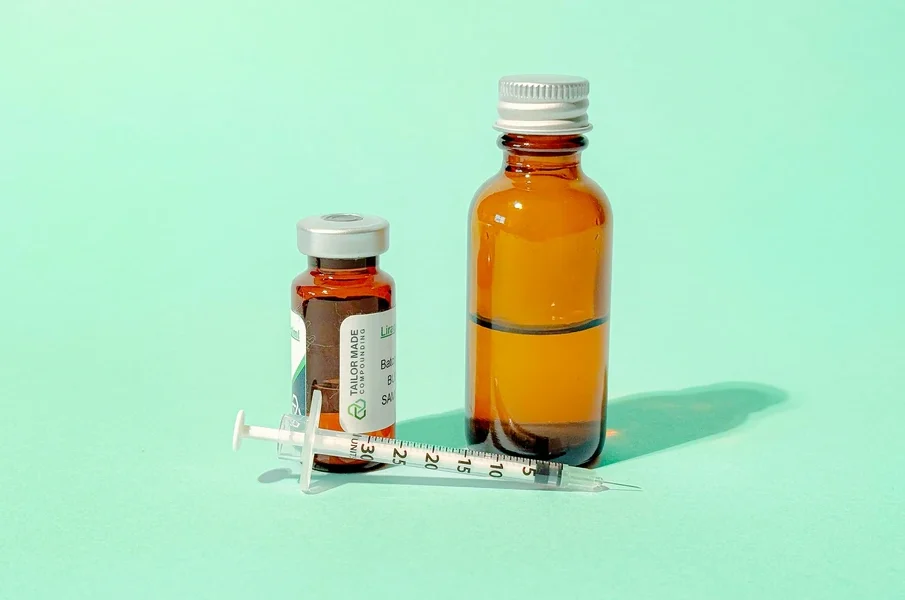
A peptide guide can be useful when it helps a reader understand unfamiliar terminology, research concepts, and the questions worth asking. It becomes less useful when technical language creates the impression that every statement is equally established.
For someone reading a Plasticsurgerykey article about tesamorelin, the most useful approach is to treat the guide as a starting point and examine each important claim in context.
Separate facts from interpretation
Technical articles often combine several types of statements.
Some statements describe established facts. Others summarize research findings. Some interpret those findings, while others may reflect the author’s perspective.
A careful reader should notice the difference.
For example, a statement about a product’s regulatory status is different from a statement about what researchers are investigating. A description of a biological mechanism is also different from a recommendation for personal use.
The more clearly those categories are separated, the easier the article becomes to evaluate.
Look at how evidence is presented
A useful guide should give readers some indication of where important claims come from.
For scientific statements, that may mean references to research literature. For regulatory information, an appropriate government or regulatory source may be more relevant.
The presence of a reference does not automatically make every conclusion correct. It does, however, give the reader something that can be examined independently.
The same principle applies to claims about product quality. Statements about testing or composition are more useful when the supporting documentation is clearly connected to the specific material being discussed.
Be careful with broad claims
Online peptide content can sometimes move quickly from a narrow research finding to a much broader conclusion.
That is where readers should slow down.
A study may investigate a biological effect without establishing that the compound should be used for a particular health goal. A mechanism may help explain how something works without proving a particular outcome in people.
This distinction is especially important when reading content about tesamorelin because its established medical indication is specific.
Research context can add useful background, but it should not automatically be converted into a new treatment claim.
Check what the guide leaves out
A useful review involves omissions as well as statements.
If a guide discusses potential effects, does it also explain relevant limitations? If it discusses a product, does it identify its intended use? If it discusses research, does it distinguish research findings from established medical indications?
Missing context can change how a reader interprets an otherwise accurate statement.
That does not necessarily mean the guide is wrong. It means the reader may need additional sources before reaching a conclusion.
Use the guide as a starting point
The best way to approach a resource such as a Plasticsurgerykeyguide is to use it to identify questions rather than treating it as the final authority on every question.
A guide can help readers understand terminology and recognize areas that deserve closer attention. Regulatory records can establish product status. Scientific literature can provide research context. Medical professionals can address individual treatment questions. Each source has a different role.





-
How to Read a Peptide Research Guide Carefully
A peptide guide can be useful when it helps a reader understand ... -
-
-
-