
Betting limits vary across bitcoin roulette gameplay types?
How do limits vary?
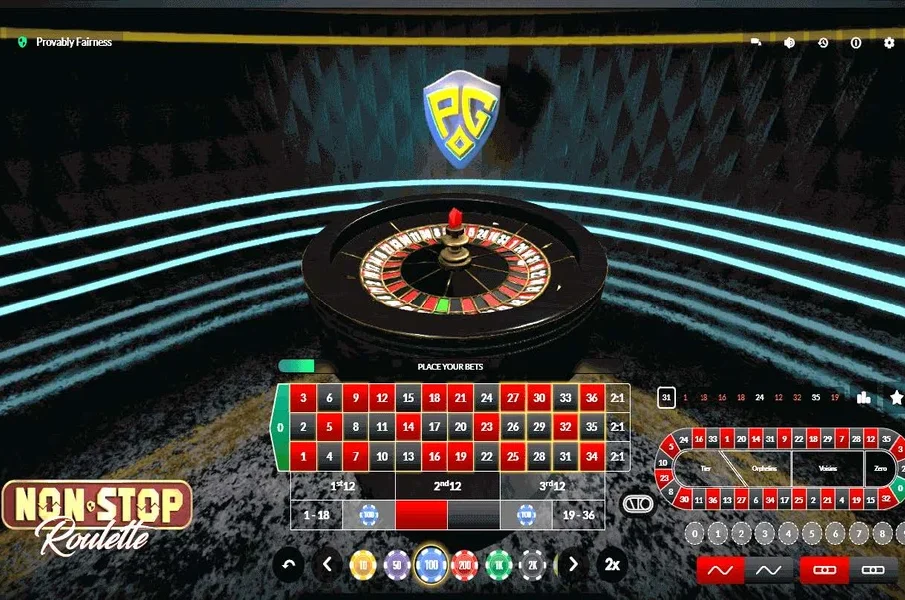
Betting limits vary across bitcoin roulette gameplay types because each format encodes its own wager threshold parameters directly into the contract at deployment, and those parameters reflect the payout structure, variance profile, and session architecture specific to that format. No universal limit applies across all bitcoin roulette types. Each contract carries its own independent ceiling and floor values that do not transfer between formats. A btc monopoly roulette betting limit is computed separately for the position on the numeric wheel and the position on the bonus segment, thus generating a dual parameter structure where each wager category has its own encoded threshold independent of the other positions available at the same time.
- Single-zero format limits – Single-zero roulette encodes limits calibrated to a 37 pocket wheel distribution, where straight-up maximums reflect the 35-to-1 payout ratio and outside bet ceilings sit proportionally higher due to their reduced payout and lower per-spin liability for the contract.
- Double zero format limits – Double zero roulette carries an additional house pocket that adjusts probability across all bet types, and contracts in this format typically encode slightly different maximum structures than single zero versions to account for the modified liability distribution across the 38-pocket wheel.
- Bonus segment limits Bonus segment formats encode a third limit tier for non-numeric positions that carry multiplier payout structures, with ceilings set according to the maximum multiplier value the contract is programmed to pay, rather than a fixed ratio applied uniformly to all positions.
- Speed format limits – Speed roulette contracts encode limits consistent with their base wheel configuration, but apply them within compressed betting windows, meaning the limit structure itself does not differ from the equivalent standard format, but the available time to reach the maximum threshold within a single window is reduced considerably.
- Multi-wheel format limits – Multi wheel contracts apply per wheel limits rather than session-wide ceilings, meaning the total wager exposure across all active wheels is a multiple of the individual wheel limit rather than a single shared figure distributed across them.
What floor limits determine
Minimum wager thresholds in bitcoin roulette contracts set the entry point for each session and vary between formats based on the computational cost of processing the associated contract execution. Formats with more complex execution paths, such as bonus segment and multi-wheel configurations, tend to encode higher floor thresholds than single outcome formats because the contract execution cost per spin is proportionally greater and must be covered within the minimum wager value to remain operationally viable.
Floor limits also interact with network fee conditions in certain contract implementations. When network fees rise, some contracts adjust the effective minimum threshold dynamically to ensure the wager value remains sufficient to cover execution costs without the contract absorbing the difference. This dynamic floor mechanism does not apply to all bitcoin roulette contract types but is more common in formats with multi-step execution sequences than in straightforward single outcome configurations.
Limit structures in Bitcoin roulette are mathematical outputs of contract design rather than administrative decisions subject to revision. Floor values, ceiling thresholds, and tier separations each derive from the payout obligations and execution costs built into the format, which is why they differ across gameplay types in ways that follow a consistent internal logic.






-
HVAC Replacement Cost Is More Than Equipment
A full residential HVAC replacement is priced as a complete system project, ... -
-
-
-